


Welcome back to Attention Capital.
In The Sports Bond, we read $300 billion in committed league media rights as a credit market hiding inside a media-spend wrapper. In The Athlete Commercial Bond, we read the unbuilt analog to music-royalty ABS sitting inside major sports agencies. Two pieces. One architecture. Both pointed at the same blocked door.
This piece walks through it.
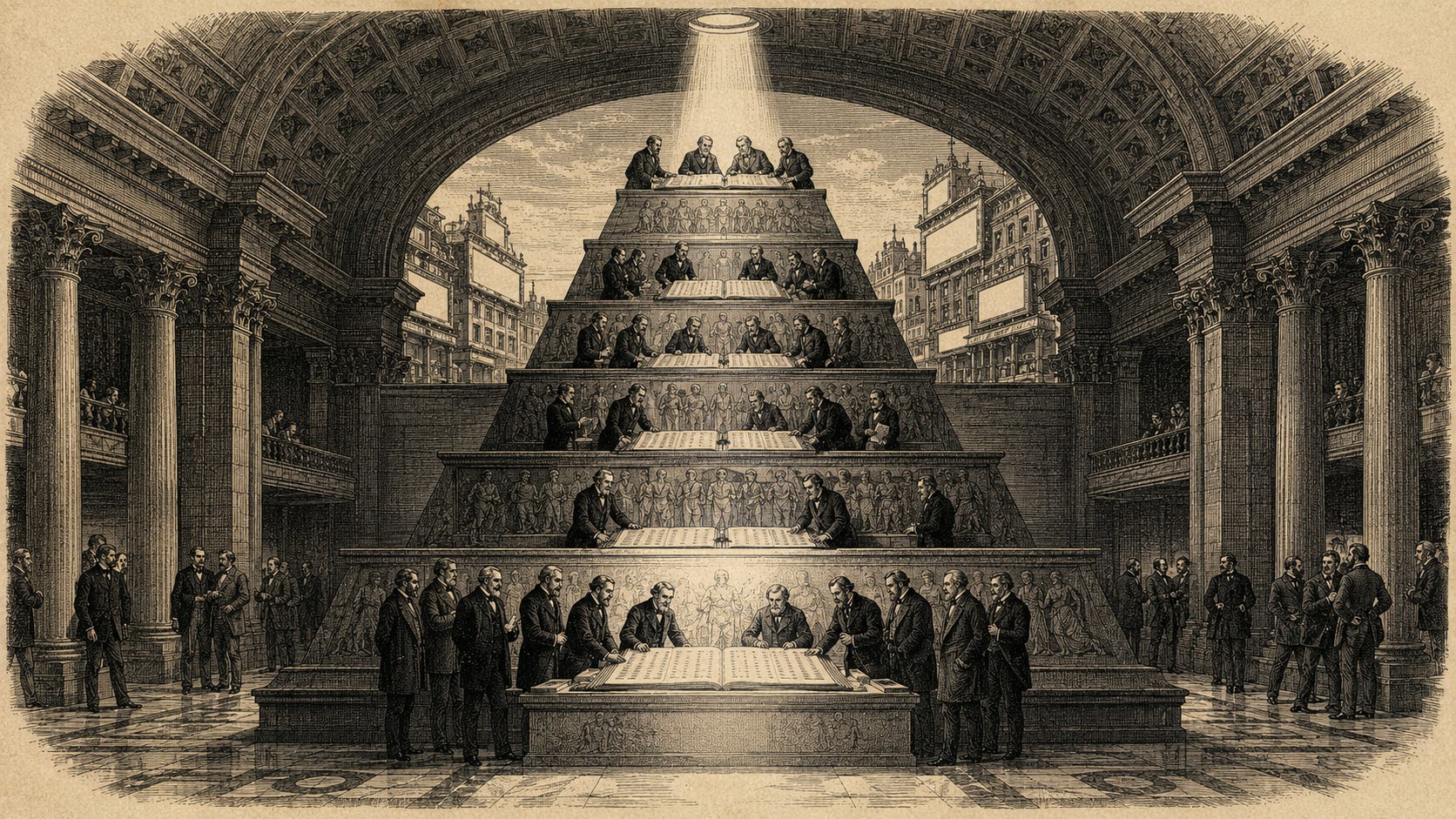
A single-project film SPV is structurally an ABS waiting to be assembled. The senior layer is contractual paper from studios and streamers. The jurisdictional layer is government tax-credit receivables. P&A debt sits secured against the senior. Mezzanine fills the gap. Equity takes the residual. Five tranches. The same tranching that powers sports rights deals, music royalty securitizations, and every flavor of structured credit in the market.
The block has always been the bottom layer. Equity in film priced as toxic waste because audience conversion was unknowable until release. Studios bet on famous talent, recognizable IP, or marketing spend to drive conversion. The bet was unpriced. That kept the bottom tranche off the credit grid for forty years.
Backrooms posted A24’s biggest opening ever on May 29. $81.5 million domestic. $118 million global. A 4,000-screen-wide release directed by a 20-year-old whose YouTube channel had fewer than 3 million subscribers. Obsession sold to Focus Features at TIFF 2025 for north of $15 million, the highest price a genre film has ever cleared at the festival, against a budget under a million, and grossed close to $150 million worldwide. Iron Lung opened in 3,015 North American theaters in January 2026 with no studio attached, no major distributor, and a budget of $3 million. It cleared $50 million globally. Markiplier wrote, directed, financed, and self-distributed it through a booking agent.
The audience showed up because it was already there.
That is the print. The equity tranche is no longer toxic waste. The bottom tranche just got bankable. Capital has not built the instrument to underwrite it because capital has been looking at the wrong layer of the cap stack for a decade.
For the Attention-Constrained
The structure: A single-project film, SPV, runs on a five-tranche cash-flow stack. Senior: contractual paper from distributors (studio specialty arms, streamer license fees, foreign pre-sales). Jurisdictional: government tax-credit receivables from state and foreign production incentive programs. P&A: bridge debt against the senior contractual paper. Mezzanine: gap financing between the contractual layer and the equity layer. Equity: the residual claim. Standard ABS architecture mapped onto a single project.
The block: For 40 years, the equity layer priced as toxic waste because audience conversion was unknowable until release. Studios used famous talent, recognizable IP, and marketing spend as proxies for behavioral demand. The bottom tranche carried unpriced risk. That kept the project SPV off the credit grid even though the four layers above it were already bankable.
The change: Audience pre-conversion. When the audience exists, is engaged, and is measurable before production starts, the equity layer stops being toxic. Backrooms, Obsession, Talk to Me, and Iron Lung are the proof cases. Each one underwrites the equity tranche on documented audience demand rather than marketing forecast.
The precedent: Marvel’s $525 million seven-year MVL Film Finance facility in 2005, AAA-wrapped by Ambac, arranged by Merrill Lynch, collateralized by ten named character properties. Bowie Bonds in 1997 at $55 million and 7.9% on a 10-year amortization. Lionsgate’s $400 million LG Film Finance I in 2007, syndicated by Goldman Sachs and JPMorgan. Concord’s $1.765 billion music ABS in July 2025. Recognition Music Group’s $1.47 billion in October 2024. Three decades of structured film and music finance have already proven the architecture. The equity layer is the only thing that ever needed fixing.
The implication: Each YouTube-native creator with a pre-built measurable audience is a single-issue project ABS waiting to clear. The first credit desk that underwrites a project against documented audience demand at the equity layer prints the comp. The next ten deals run through the same template. The Hollywood ABS is the financial architecture of a film economy in which the audience comes first, and financing follows the demand curve.
The window: TIFF 2025 has already cleared three of these deals. CinemaCon 2026 has several more in the pipe. The credit desks have 18 months to build the template before the studios set the equity comp permanently.
The Iron Lung Print
Walk into any structured products desk in New York and ask the senior team how they price a single-project film SPV. The answer is the same shrug you get on sports rights. The ABS desks understand the music analog, but the film analog has been allergic to credit because of the equity tranche. The leveraged loan desks fund slate facilities at the studio level but do not underwrite individual projects. The private credit shops have funded production companies on the equity side, mostly through enterprise-value structures priced against forecasted slate performance.
That leaves the single-project SPV on the wrong side of every coverage map. The cash flow comes from a sequence of contractual counterparties that most credit desks already underwrite in other contexts. The audience is captured by platforms that monetize through advertising and subscriptions. The producer is the issuer, but the issuer does not have a balance sheet that fits the standard covenant template. Three layers of intermediation between the credit and a desk that knows how to price it.
Markiplier did not wait for the desk to figure it out.
Iron Lung is the print every credit analyst should read first. Markiplier wrote it, directed it, edited it, starred in it, and self-financed the $3 million budget. The film opened January 30, 2026, in 3,015 North American theaters and roughly 4,000 screens globally, booked through Centurion Film Service after fan demand pushed exhibitors to clear the windows. No studio distribution partner. No specialty arm. No P&A budget that resembled what a wide release typically requires. The film cleared more than $50 million worldwide on its opening run, and per The Hollywood Reporter, Markiplier pockets roughly half the global gross because the cap stack he skipped was the cap stack that captures distributor and exhibitor economics in a standard deal.
A 38-million-subscriber YouTube channel was the underwrite. The audience had been built across more than a decade of horror gaming content, with the original 2022 Iron Lung video game adaptation already a verified retention asset in the channel’s catalog. The audience converted before the camera rolled. The budget was $3 million because the audience meant the marketing spend was zero. The theatrical book was 4,000 screens because the exhibitors saw the underwrite the same way Markiplier did.
Markiplier did not skip Hollywood. He skipped the cap stack.
That is the print. A single-project film at $3 million in production cost, cleared $50 million globally, distributed without a studio, with the audience pre-conversion priced into every layer of the deal. Read it as a credit instrument, and the underwrite becomes legible. The equity tranche is the entire cap stack. The senior, jurisdictional, P&A, and mezzanine layers got absorbed into the structure because the audience math made them redundant. Markiplier became his own studio because the underwrite did not require one.
Any credit desk reading the structure should be running the math on what a leveraged Iron Lung looks like. A senior secured facility against pre-sold international rights. Tax-credit receivables discounted at 88 cents on the dollar against the production spend. P&A bridge debt secured by the contractual senior layer. Mezzanine gap financing at a yield calibrated to the audience pre-conversion. Equity at the bottom, sized at a fraction of what Markiplier deployed because the audience math made the equity tranche the cheapest piece of capital in the structure, not the most expensive.
Markiplier did not need that structure. The next creator might. The structure does not yet exist as a template. That is the gap.
Three More Prints That Make It A Pattern
Iron Lung is the radical case. The pattern requires three more.
Backrooms premiered on May 29, 2026, and posted A24’s biggest opening ever. $81.5 million domestic from 3,442 theaters. $118 million global. The Friday alone cleared $38 million. The film was directed by Kane Parsons, who uploaded the first Backrooms creepypasta video to YouTube as Kane Pixels on January 7, 2022, at age 16. A24 signed him by February 2023. The film took roughly three years to assemble, finance, and release. Across the same window, the YouTube channel compounded the audience. The original video alone had 79 million views by the time of theatrical release.
Read A24’s internal audience polling after opening weekend. 58% of opening weekend moviegoers cited the Backrooms creepypasta as their reason for buying a ticket. Roughly half cited that it was an A24 film. 30% cited Parsons specifically. The percentages overlap because the audience could pick multiple reasons. The point is what the underlying dataset says about the underwrite. A24 did not buy an unknown filmmaker. A24 bought the most measurable pre-converted audience in independent horror, four years compounded, with 79 million people who already knew the IP. The studio paid for de-risked attention. The audience math sat under every line item in the deal.
A24’s underwrite committee on Backrooms had a denser behavioral file than any sell-side equity desk has ever assembled on an independent film.
Obsession sold to Focus Features at TIFF 2025 for north of $15 million, the highest price ever paid for a genre film at the festival. Curry Barker wrote and directed it on a budget close to a million dollars. Before Obsession, he had built a small but compounding YouTube audience under the sketch duo banner That’s a Bad Idea. His 2023 horror short The Chair garnered more than 5 million views on a budget of roughly $2,000. His 2024 found-footage feature Milk & Serial was made for $800 and released free on YouTube after the festival circuit failed to find a buyer. Each piece of work served as a public reel that Focus Features could underwrite the next deal against.
Obsession opened on May 15, 2026, and grossed roughly $150 million worldwide on a budget of around $1 million. The film is now Focus Features’ highest-grossing domestic release of all time, ahead of Downton Abbey. The second weekend grew by 30% over the opening, an unheard-of pattern for a wide horror release. Read the Focus acquisition as a credit decision. The studio paid 15 times the budget for the equity tranche on a project in which the audience had been pre-converted through two prior YouTube assets. The 15x multiple was the discount Focus took on a piece of paper that other bidders priced lower because they were reading the title page instead of the audience file.
Talk to Me grossed $92.2 million worldwide against a $4.5 million budget in 2023. Danny and Michael Philippou directed it. The Philippou brothers had spent a decade building RackaRacka on YouTube to roughly 6.7 million subscribers at the time of release, with more than a billion total channel views. A24 bought North American rights at Sundance 2023 in the high seven-figure range, the kind of number that gets written when the bidding desk is reading audience metrics in addition to script coverage. The film became A24’s highest-grossing horror release ever.
The 2025 follow-up Bring Her Back is the kill case the bull thesis needs. A24 budgeted the second deal at $15 million, based on the brothers’ track record. The film grossed $39 million worldwide and opened in third place behind Lilo & Stitch and Karate Kid: Legends. A 2.6x multiple instead of a 20x. That is the boundary condition. The first deal underwrites against the documented pre-converted audience and prints the asymmetric multiple. The second deal underwrites against the creator’s track record and reverts toward the slate-financing risk profile the equity layer historically carried. The audience pre-conversion has to be live to underwrite the equity layer. A creator’s prior film is the wrong proxy.
Four prints. Four pre-converted audiences. Four equity tranches that no longer behaved like toxic waste.
Backrooms, Obsession, Talk to Me, and Iron Lung are films made the way films should have been made for decades, underwritten on quantifiable audience demand before the camera rolled. The studios noticed. Focus paid 15 times the budget for Obsession because the audience math was visible in the underwriting file. A24 set its all-time opening record on a 20-year-old’s compounding creepypasta. Markiplier built the entire cap stack out of his own subscriber base.
The capital that did not notice still believes the equity tranche is toxic. That capital is about to be wrong for the rest of the decade.
The Cash Flow Stack
Read the single-project film SPV as a credit instrument; the architecture is already in place. Five tranches. Each one is a contractual paper or a documented receivable from a counterparty that most credit desks already underwrite in other markets. Stack them in order of cash flow priority, and the structure builds itself.
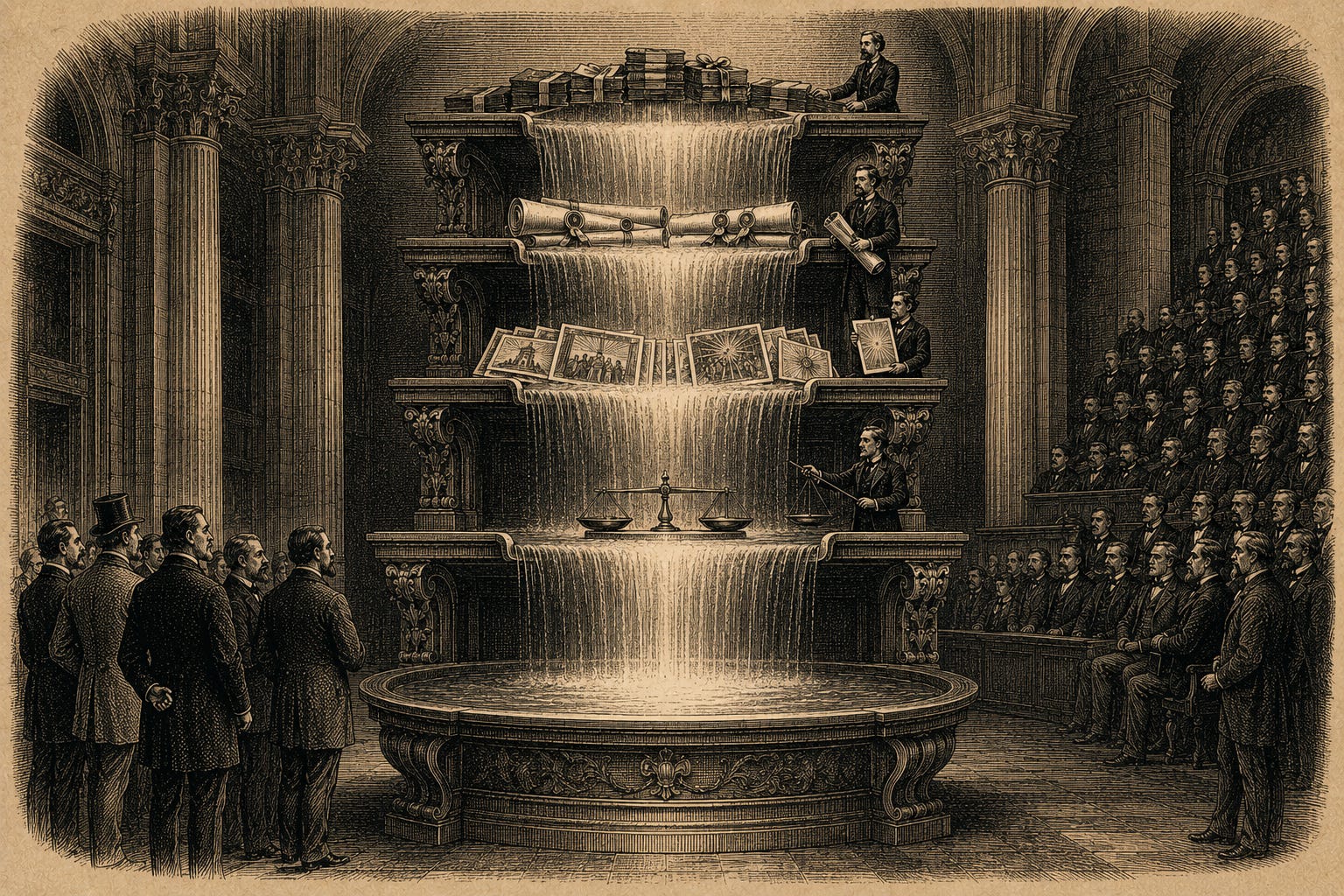
Senior layer. Contractual paper from distributors. Specialty distribution agreements with studios like Focus, A24, Sony Pictures Classics, Searchlight, Bleecker Street, and Neon. Streamer license fees and output deals with Netflix, Apple, Amazon, Max, and Hulu. Network television windows. FAST and AVOD windows on the back end. Foreign pre-sales through sales agents to territory distributors across the major international markets. Each one is a contract with a named counterparty, a defined payment schedule, and a tenor that fits a structured note. The senior tranche underwrites against the contracted forward payments at advance rates that price off counterparty quality and contract specificity. This is the easiest part of the deal. It is already happening on every studio specialty acquisition.
Jurisdictional layer. Government tax-credit receivables. Georgia is at 30% transferable. New York at 30% refundable. California at 35-40% refundable under the Program 4.0 expansion signed in June 2025, with the annual cap raised to $750 million. Illinois is at 35% transferable. Louisiana, the UK Audio-Visual Expenditure Credit (39.75% net for independent films under £15 million), Ireland’s Section 481, Canadian federal CPTC stacking with provincial credits, Australia’s Producer Offset, and New Zealand’s Screen Production Rebate fill out the international book at rates in the 25-46% range.
Each one is a blue-chip claim on a government counterparty, paid against verified production spend. Each one trades as a monetizable receivable at 85 to 90 cents on the dollar in a market with named players, including Three Point Capital, Entertainment Partners, Blue Fox Financing, and Clocktower. The jurisdictional tranche is the cleanest piece of paper in the deal. The credit risk is the relevant treasury, the timing risk is the audit, and the discount is the cost of liquidity. A credit desk that wants direct exposure to the production economy through paper rather than equity can already build a portfolio of state tax credit receivables and run it as a separate vehicle.
P&A layer. Print and Advertising debt is bridge financing secured against the senior contractual layer. The structure has existed for decades, typically arranged separately from production financing because the cash-flow seniority differs. P&A advances usually price wider than production senior debt because the recoupment runs through theatrical distribution before the senior contractual cash flows clear, but the structure is mechanical, and the documentation is standardized.
Mezzanine layer. Gap financing. The historical bridge between the senior secured layer and the equity layer. Aldamisa, Sierra/Affinity, and a constellation of boutique lenders have been writing gap loans for two decades. The pricing has always been calibrated to the residual underwriting risk because the gap is the layer that has to assume the unsold rights eventually clear and the territorial pre-sales close. The mezzanine tranche is an asset class with a track record and a credit curve. It does not need to be invented.
Equity. The residual. The historical toxic waste. The piece that every prior structure has tried to eliminate by selling more aggressively at the senior layer, expanding the tax-credit yield, or padding the gap. The reason single-project film equity has carried the deal’s unpriceable risk is that audience conversion has been the most volatile assumption in the structure. Marketing spend at 50-75% of production budget was the studio’s attempt to push conversion into the underwrite. Star vehicles, IP licensing, and franchise extensions were the institutional attempts to manufacture the audience post hoc. None of those structures actually priced the audience. They priced proxies and hoped the audience would show up.
The audience now shows up before the camera rolls, or it does not show up at all.
Five tranches. Four of them are already bankable. The fifth one just stopped being toxic. The architecture is already legible. The methodology that prices the equity layer against documented audience demand is the unbuilt piece. That is the gap that the next eighteen months will close.
The Precedent Stack
The argument that film cannot be securitized at the project level is a historical argument that does not survive contact with the actual record. Three decades of structured film and music finance have already proven the architecture. The instruments exist. The deals printed. The capital deployed.
Marvel’s $525 million MVL Film Finance facility closed in September 2005. Seven-year non-recourse. Arranged by Merrill Lynch, Pierce, Fenner & Smith. Structured as $465 million in senior revolving bank debt and $60 million in mezzanine. AAA-wrapped by Ambac Assurance. The borrower was MVL Film Finance LLC, a bankruptcy-remote SPV. The collateral was the theatrical film rights to ten named character properties: Captain America, the Avengers, Nick Fury, Black Panther, Ant-Man, Cloak & Dagger, Doctor Strange, Hawkeye, Power Pack, and Shang-Chi. Paramount distributed. The senior debt was rated investment grade by S&P and Moody’s.
That structure happened in 2005. It worked. The instrument was a non-recourse facility against named character IP, distributed by a major studio, wrapped to investment grade by a monoline insurer. The deal financed the first wave of Marvel Studios pictures that became the foundation of the most valuable IP estate in entertainment. Capital priced character durability at the project pool level twenty years ago. The credit market understood the math then. The market forgot the math when Disney bought Marvel in 2009 and absorbed the facility into the balance sheet. The methodology stayed in the file cabinet.
The Marvel deal is the structural precedent every credit desk should be reading before they look at the next single-project film SPV.

The instrument predates Marvel by eight years. David Bowie raised $55 million in 1997 against the future royalty stream of his pre-1990 catalog, 25 albums, and 287 songs. Sold to Prudential Insurance Company of America at a 7.9% coupon on a 10-year amortization. Structured by David Pullman through the Jones/Tintoretto Entertainment Company SPV. The 7.9% coupon priced 150 basis points wide of the 10-year Treasury at the time. Moody’s rated the bond A3 at issuance. The deal matured and was redeemed in 2007 without default, after a 2004 downgrade tied to EMI guarantor stress and broader recorded-music weakness.
Bowie Bonds were the first deal that securitized audience behavior across any medium. The argument to credit was simple: listening behavior on the catalog was stable enough to service debt for 10 years. The infrastructure that made the underwriting legible had been built across 70 years of ASCAP, BMI, and SoundScan plumbing. Pullman did not invent music royalties. He built the instrument that taught capital how to price them. Bowie was not the first asset of that kind. He was the first deal.
Music caught up to the instrument across the next 27 years. Hipgnosis Songs Fund IPO’d in July 2018 on the London Stock Exchange. Concord, Primary Wave with Brookfield, and KKR’s Chord Music Partners each built out catalog portfolios in the billions across the early 2020s. Blackstone took Hipgnosis Songs Fund private in 2024 at $1.57 billion and rebranded the asset as Recognition Music Group in March 2025.
The rated public issuance arrived in October 2024. Recognition Music Group raised $1.47 billion through Lyra 2024-2 and Lyra 2024-3, the first music ABS publicly rated by Fitch and Standard & Poor’s. A follow-on $372 million tranche printed in July 2025. Concord closed a $1.765 billion music ABS in July 2025, Apollo-led, the largest and longest-tenured asset-backed term securitization of music rights to date. Twenty-seven years from Bowie to a $1.765 billion rated public music ABS. The asset class became a credit market as the methodology was refined through deal experience until the rating agencies became comfortable with the structure.
The studio slate financing decade ran in parallel. From the early 2000s through the early 2010s, Merrill Lynch, Goldman Sachs, Credit Suisse, Deutsche Bank, Citigroup, JPMorgan, and Bank of America underwrote a sequence of multi-picture slate facilities that read as de facto project ABS once you strip the wrapper. In May 2007, Lionsgate‘s LG Film Finance I raised up to $400 million across 23 films, with Goldman Sachs as placement agent and Goldman and JPMorgan as joint lead arrangers on the senior debt. Disney+ Kingdom Films covered 32 live-action films from 2005, according to Credit Suisse. Sony plus Relativity Media’s Beverly slate funded 45 films across five years for roughly $1 billion. MGM’s $500 million December 2010 post-bankruptcy exit financing was arranged through a JPMorgan- and Deutsche Bank-led syndicate.
Each one is a multi-picture credit facility secured by pooled film cash flows, structured as non-recourse to the studio parent, with senior, mezzanine, and equity tranches. The slate facility is a portfolio ABS by another name. Roughly $15 billion of slate capital was deployed during the 2004 through 2008 window. The credit architecture held. The equity layer absorbed the variance the structure assumed would average out across the slate, and the financial crisis compressed the demand before audience pre-conversion could have rescued the bottom tranche.
The Recognition Music Group, $1.47 billion, is the closest live institutional comp for what the film ABS instrument looks like at scale. Concord’s $1.765 billion is the second live comp. Marvel’s $525 million is the historical proof of single-issuer film ABS. Lionsgate’s $400 million is the historical proof of project-pool ABS at the studio level. Bowie Bonds are the founding instrument that taught capital how to underwrite behavioral cash flow.
The precedent stack is three decades deep. The Hollywood ABS extends an already-in-flight sequence.
What Changed At The Equity Layer
The structural argument is that every slate deal of the 2000s and every project SPV before that fought the same battle at the bottom tranche. Senior contractual paper underwrote cleanly. Tax-credit receivables underwrote cleanly. P&A debt underwrote cleanly. Gap financing underwrote cleanly. The equity layer at the bottom carried all the unpriced risk because audience conversion was the variable nobody could measure before the print.
Studios paid for that risk by treating marketing spend as the underwrite. The traditional rule of thumb in wide release was P&A at 50-75% of production budget, sometimes higher on tentpoles. Marketing was the studio’s attempt to manufacture the audience that should have existed before the camera rolled. The marketing spend was the equity layer’s hedge against the audience not showing up. It was the most expensive insurance policy in the deal and the least reliable.
The IP licensing era was the second attempt. Star vehicles, comic book adaptations, video game licenses, novel rights, sequels, reboots, prequels. The argument was that recognizable IP would substitute for measurable audience demand. Sometimes it worked. The Marvel Cinematic Universe is the strongest version of the argument working. Most attempts to manufacture audience through IP licensing produced expensive misses because the IP was a dormant license pulled from a catalog, and the audience had moved.
Backrooms, Obsession, Talk to Me, and Iron Lung killed the proxy. The difference is that in these cases, the IP lives as a live channel with daily behavior data, not as a static license sitting on a balance sheet.
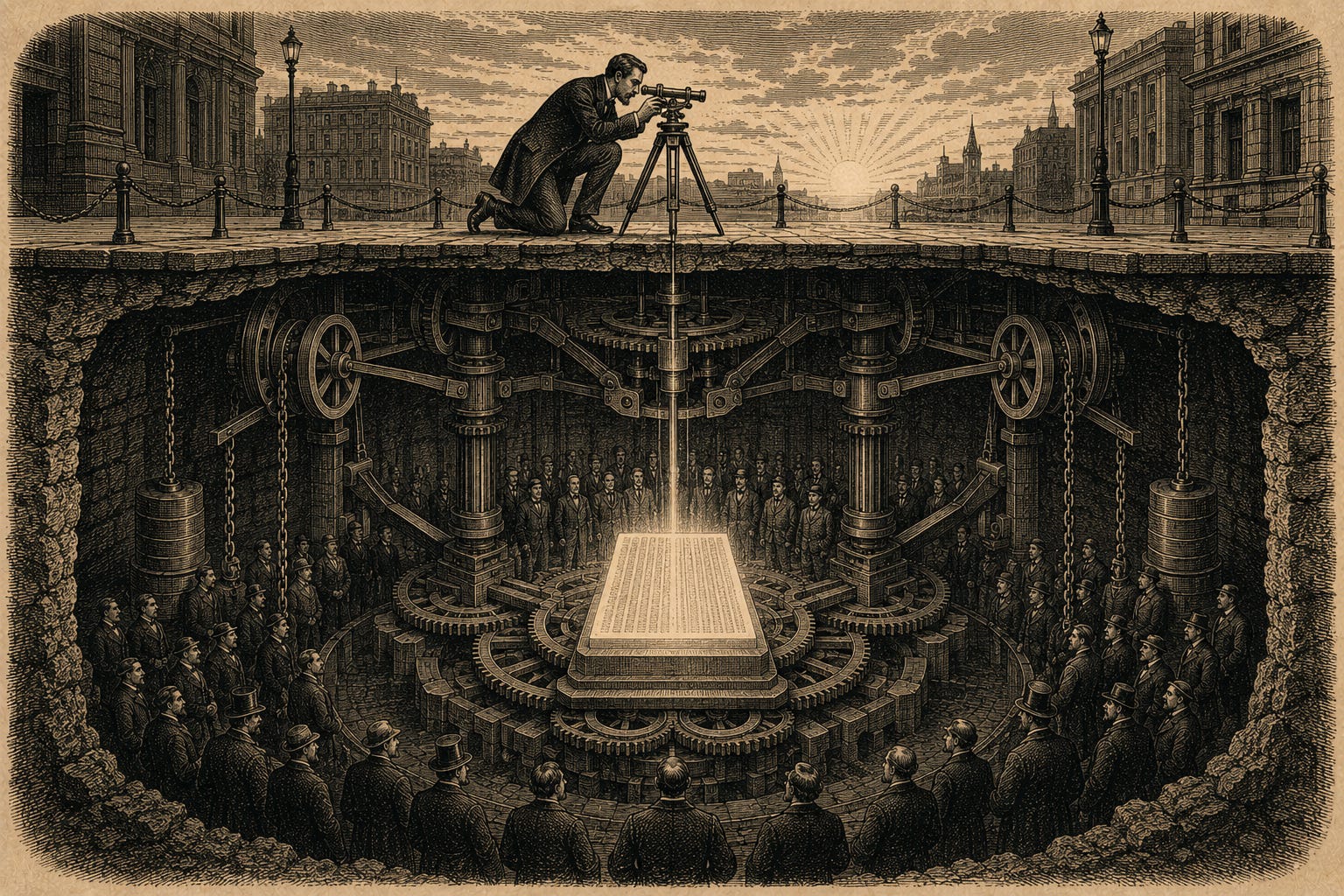
When the audience exists, is engaged, and is measurable before production starts, the equity layer becomes the most data-rich tranche in the deal. The audience pre-conversion serves as collateral with a documented engagement history, a measurable demographic profile, a tracked retention curve, and a behavioral file that a credit underwriter can read the same way a fixed-income analyst reads a corporate revolver.
Capital had to wait for two things. The audience had to be measurable, which YouTube, TikTok, and the broader creator platforms delivered across the last decade. The audience had to be addressable, which means the creator had to retain a direct relationship with the audience rather than route attention through an MCN or a platform-controlled brand. The two conditions converged in roughly the last five years. The first wave of creator-led theatrical releases is proof that the conditions are met.
Read the math on the equity tranche differently when the audience is pre-converted. The cost of customer acquisition for a film with a pre-converted audience is effectively zero. The marketing spend collapses because the audience already exists and already knows the product. The equity layer absorbs less variance because the demand curve is documented before production. The gap financing tightens because the bridge between contractual senior cash flow and equity recovery shortens. The senior tranche prices tighter because the territorial pre-sale book closes on data rather than on script coverage.
Every tranche above equity gets cheaper when equity is no longer the unpriceable layer.
The Hollywood ABS does not require a new instrument at the senior, jurisdictional, P&A, or mezzanine layers. Those instruments already exist. It requires a credit-side methodology that prices the equity tranche against documented audience demand. The methodology is the unbuilt piece.
The TV Caveat
The structure is organic for film. It also fits limited series with a defined endpoint and a major streamer commitment. A limited series with six to ten episodes, a fixed release window, and a contracted distribution partner reads structurally similar to a film. Same cash flow stack. Same tranching. Same equity layer logic. The tenor compresses, the marketing economics shift, and the territorial pre-sale book operates differently, but the architecture survives the translation.
The structure breaks on ongoing series television.
Renewal risk is the part that breaks it. Pickup is conditional. Cancellation is unilateral. A first-season order does not bind the streamer or network to a second season. The cash flow stream that an ABS structure depends on requires predictability that the streamer relationship does not deliver. The contractual senior layer in an ongoing series is materially more conditional than the contractual senior layer in a film or limited series. The credit math has to model cancellation risk, which the streaming era has made more punishing every year.
The residual library value sits well below the film library value. A streaming series that gets canceled after one or two seasons typically does not generate the back-end FAST and AVOD income that a feature film does over a decade. The library asset case for the ongoing series breaks down because the series was built around a serialization that loses value when the show stops. The film, by contrast, maintains its retention curve because the audience that bought the ticket continues to rent it, stream it, and purchase it on catalog across decades.
Development is even less organic. A development slate is a pool of options, not a pool of cash flows. Credit cannot underwrite a layer of optionality without forcing the deal into venture math, which is not what ABS structures are built for.
The honest position is that film is the clean case. Limited series rides along under the same architecture. Ongoing series and development do not fit yet. There is a separate piece to be written on the conditional cash flow structures that the ongoing series might eventually support, but that piece uses a different methodology. Forcing TV into the film ABS thesis would dilute the structural argument and weaken the equity tranche logic that makes the film case so clean.
The first Hollywood ABS clears in film. The methodology spreads to limited series next. The ongoing series and development questions get answered separately when the conditional-cash-flow math gets built.
The Studios Already Noticed
The deals are already happening on the equity side. The studios are paying premium prices for projects with pre-converted audiences because the audience math is visible in the underwriting file even when the credit instrument is not.
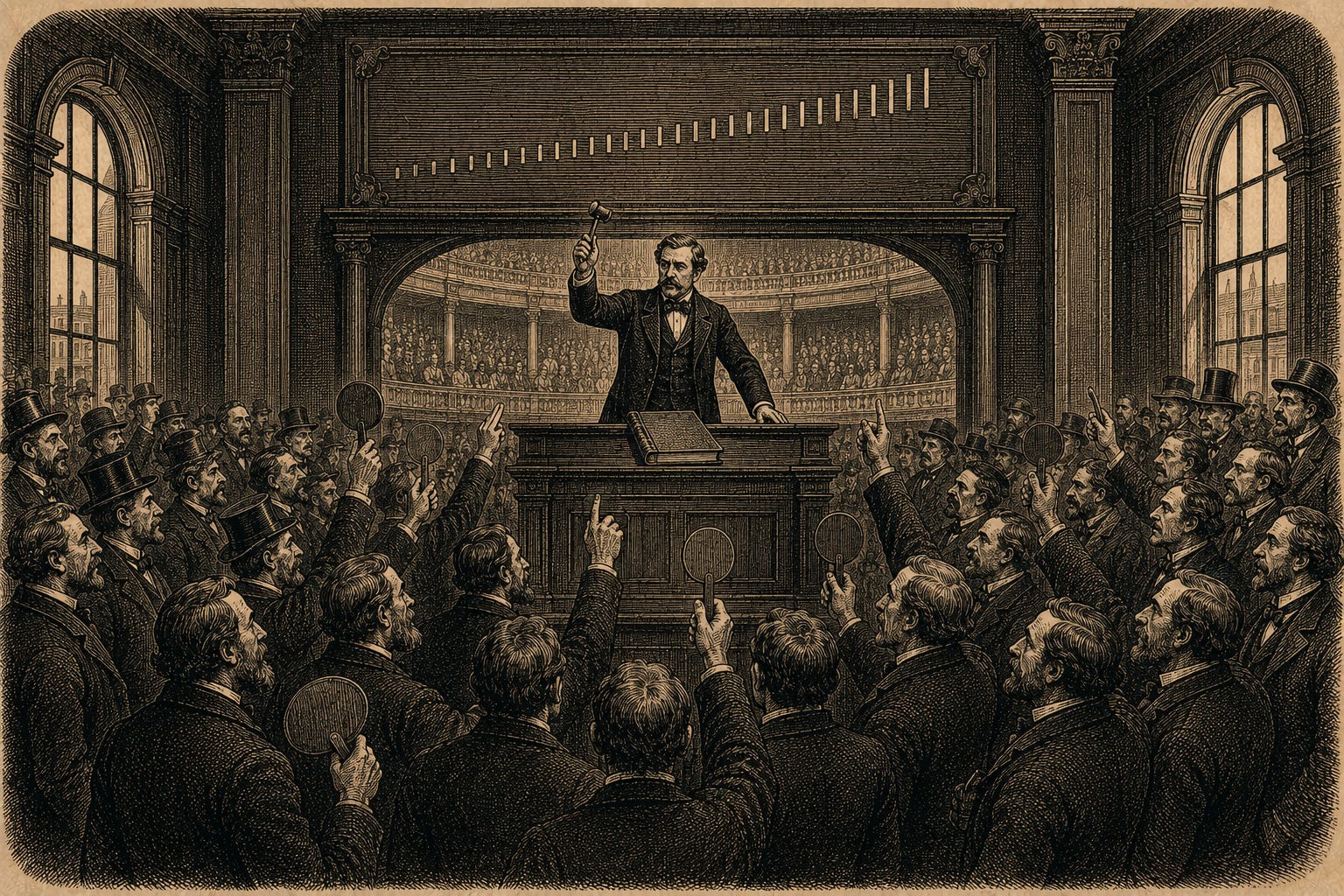
Focus Features paid more than $15 million for Obsession against a budget of under $1 million. That is a 15x multiple on the equity tranche, paid before opening weekend, against a creator whose prior YouTube work had been seen by less than 10 million people in total. Focus did not pay for the script. Focus paid for the audience math. The studio’s underwriting committee saw what the bidding desks at other distributors saw and outbid them because the audience-pre-conversion model gave Focus a tighter view of the downside than anyone else in the room.
A24’s deal with Kane Parsons in February 2023 was not for a finished film. It was a development commitment underwritten against a YouTube creepypasta channel that, at the time, had fewer than 2 million subscribers and a single video at the center of the audience-building effort. A24’s bet was that the audience would continue to compound during the three-year production cycle. The bet cleared. The opening weekend numbers in May 2026 priced the audience pre-conversion as a residual claim on a movie that had not been written when the deal was signed.
A24’s $4.5 million Talk to Me budget in 2022 was a credit decision underwritten against the Philippou brothers’ 6.7 million RackaRacka subscribers. The acquisition price at Sundance 2023, in the high seven-figure range, was the studio’s bid for a finished film that had already proven the audience-pre-conversion thesis at the festival level. A24’s first deal with the brothers was production financing. The second was acquisition. Both were underwritten against the same audience file.
Iconic Events does not show up on Iron Lung. The booking agent is Centurion Film Service. The exhibitors put up the screens. Markiplier put up the production capital, the marketing, and the distribution oversight. The traditional cap stack was skipped because the audience math made it redundant. A credit desk that wants to underwrite the next Iron Lung does not need to convince Markiplier to use a structured product. The next creator after Markiplier is the one who needs the structure because that creator does not have the personal capital to self-finance a $3 million budget and the operational reach to self-distribute across 4,000 screens.
The first creator to skip the cap stack proved the math. The next creator needs the credit instrument to scale the deal without incurring equity dilution.
That is the addressable demand. The credit instrument is the unbuilt layer.
What The Term Sheet Looks Like
Read the conceptual structure of the film ABS at the single-project level. Five tranches. The advance rates calibrate per deal. The covenant package writes from the tranches up.
Senior secured. Against contracted distribution paper, streamer license fees, foreign pre-sales, and tax-credit receivables. Advance rates priced off counterparty quality, contract tenor, and payment schedule. Senior paper prices tight to comparable specialty corporate paper because the underlying obligations are functionally public-company commitments with the project SPV as conduit. Read it as comparable to corporate revolver pricing at the senior tranche, high-yield-equivalent at the mezzanine, equity-of-credit at the audience layer. Spread to SOFR calibrates by the credit quality of the contractual counterparty pool.
Mezzanine. Above the gap and below the senior. Underwrites the bridge between the contractual and equity layers. Existing gap-financing infrastructure ports cleanly to this tranche. Pricing wider than senior, narrower than equity. Covenant triggers on minimum pre-sale completion, P&A coverage, and territorial pacing.
P&A bridge. Secured against the senior contractual layer. Bridges the period between marketing spend and recoupment. Existing P&A debt market provides the template. Advance rates calibrate to the senior counterparty mix.
Equity tranche, audience-underwritten. This is the new piece. The advance rate calibrates against the documented audience demand for the creator, the IP, or the project. Audience-pre-conversion metrics: subscriber base, retention rate, engagement velocity, demographic mix, conversion rate from view to ticket purchase, and comparable releases with similar audience profiles. Covenants on audience preservation: minimum subscriber maintenance, content cadence floor, platform diversification, and IP exclusivity during the production window. Reset clauses tied to material adverse changes in the audience file. Information rights on platform data are the same as those of a syndicated lender on operating data.
Tax-credit receivable layer. Discounted against the relevant state or country counterparty. The existing market provides the curve. Three Point Capital and Entertainment Partners are the active financiers. The advance rate prices off treasury credit quality, audit timing, and the secondary market for the specific credit.
Each tranche has a covenant package. The senior covenants run off counterparty composition. The mezzanine covenants run off completion thresholds. The P&A covenants are based on the senior cash flow forecast. The equity tranche covenants run off audience preservation. The tax-credit receivable covenants run off the audit timeline. None of these are exotic. They translate directly from existing music ABS, music catalog facility, leveraged loan, and project finance templates.
The Attention Quality Score (AQS) is Attention Capital’s proprietary methodology for pricing behavioral cash flow as credit. AQS-anchored audience underwriting, applied at the project level, scores audience durability, conversion efficiency, community cohesion, platform risk, and content moat against the single-project film SPV, the same way the framework already applies to a sports rights package, an athlete commercial book, or a creator credit deal. The substance is proprietary. The architecture it slots into is public.
The addressable entry point for the first wave of deals is the $20 million to $50 million project size: large enough that the senior, jurisdictional, and mezzanine tranches generate meaningful coupon income to absorb structuring cost, small enough that audience pre-conversion can carry the equity tranche without requiring a full studio P&A apparatus. A credit desk reading this far is already drafting the term sheet for the first one. The first deal does not have to be large. It has to be first.
What Comes Next
Bowie Bonds existed because Pullman walked into Prudential in 1997 with an argument about behavior and a credit file. The infrastructure had been built across 70 years of music royalty plumbing. The deal was an act of recognition. The 27 years that followed turned music catalogs into an asset class with a rated public ABS market that prints $1 billion-plus deals annually.
Marvel’s MVL Film Finance facility existed because Merrill walked into Ambac with an argument about character IP and a credit file. The structure cleared an AAA wrap because the IP carried documented retention math, the distribution counterparty was Paramount, and the SPV was bankruptcy-remote. The deal financed the first wave of the Marvel Cinematic Universe and built the institutional vocabulary for film cash flow as collateral. The vocabulary stayed dormant for twenty years because Disney absorbed the facility into its balance sheet and the structure never had to clear public credit markets at scale.
The Hollywood ABS at the single-project level extends that 28-year arc. The audience layer that broke the structure in the slate-financing decade is the same layer the audience-pre-conversion economy has now fixed. The methodology that prices the equity tranche against documented audience demand is the unbuilt piece. The capital that funds the methodology is the desk that builds the franchise.
The questions that drive the next 18 months are operational. Who builds the project-by-project rating model that institutional credit desks adopt as the standard for single-issue film ABS? Who runs the first AQS-anchored film equity facility and prints the first deal? Who structures the first warehouse against multiple single-project SPVs with diversified audience pre-conversion risk? Who writes the documentation that lets film equity paper trade at an institutional scale?
The next 18 months will answer those questions. TIFF 2026 in September will print more Obsession-shaped deals, and the studios will keep paying premium multiples on the equity tranche because the audience math keeps being visible in the underwriting file. The next Iron Lung is now in production. The next Backrooms got greenlit on a YouTube channel that hit a million subscribers in the last six months.
A handful of credit desks have started reading the right files. Apollo’s $1.765 billion music ABS in July 2025 is the closest active institutional comp. The same machinery, redirected to single-project film SPVs with audience pre-conversion at the equity layer, will print the first Hollywood ABS within the next 24 months.
Bowie was the first deal. Marvel was the first wrap. Recognition was the first rating.
The next first is a single-project film ABS underwritten against documented audience demand at the equity layer.
The audience is already built. The contracts are already signed. The receivables are already discounted. The methodology is the only unbuilt layer. Attention has just produced the cleanest single-project ABS architecture in entertainment, and capital is still pricing the equity tranche as toxic waste.
Somebody walks into a credit committee in the next 24 months with a term sheet, an audience file, and an argument about a 4,000-screen theatrical release. The methodology underwrites the equity tranche. The committee approves the facility. The deal prints. The spread tightens on every subsequent deal. The structure becomes the template.
Who walks in first?
Why Subscribe
Every week, Attention Capital reads the deals other publications miss, applies the AQS framework to the assets that should be financeable, and draws the curves the sell side has not yet drawn. League rights is one curve. Athlete commercial cash flow is the next. Single-project film ABS is the third. Creator credit, streaming behavioral data, and brand-as-bank are the curves underneath. Each piece builds on the last.
If you work in finance, this is where you see where the next $50 billion of fund deployment lands before the term sheets are written. If you work in media or live entertainment, this is where you see how capital is starting to price the asset you have been building. If you allocate to private credit, this is the playbook for the asset class that does not yet have a desk.
For more on attention as an asset class, visit attncap.com. Institutional research now available.
I was in leveraged finance while the slate wave ran in the 2000s. Roughly $15 billion moved through those structures, and everyone in the room knew the bottom layer was the problem. Nobody could measure an audience before release, so the equity carried the risk and the deals hoped. I spent the next fifteen years on the other side, building audiences at media companies and watching that behavior become the most documented thing on earth. This piece is the two halves of that career meeting, and the essay walks the whole stack, tranche by tranche.